
Reviewed · VALENCIA HIKING DAY TRIPS
Hike to the Roman aqueduct Peña Cortada
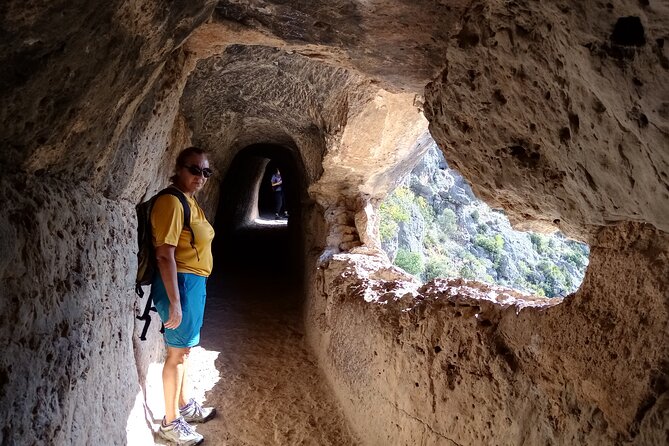
The best part of this outing is the moment the trail enters the Peña Cortada aqueduct, where you walk through narrow tunnels cut into the rock more than 2,000 years ago. The route then reaches a Roman bridge with open views across the hills of La Serranía. It is a rare chance to experience an ancient engineering project on foot, rather than behind a fence.
I like the gentle start from Calles and the mix of nature, water, and old stone. I also like that the day includes Chelva, where Moorish, Jewish, Christian, and Arabic influences remain visible in the town’s streets. The main drawback is clear: this is more hiking than history, with only a limited amount of formal explanation, and some people may find the route more demanding or exposed than expected.
Key points to know
- The Roman aqueduct is walked from the inside, through tunnels carved directly into the rock.
- A bridge crossing is the visual high point, but drop-offs may concern anyone uneasy with heights.
- The 14-kilometer route is circular, with an initial gentle ascent followed by a steeper section near the aqueduct.
- Chelva adds cultural interest, with historic Moorish, Jewish, Christian, and Arabic neighborhoods.
- The group is limited to eight people, with private transportation from Valencia included.
- Bring your own lunch and water, since lunch is not included and the day lasts about five to six hours.
Why Peña Cortada is worth the trip from Valencia
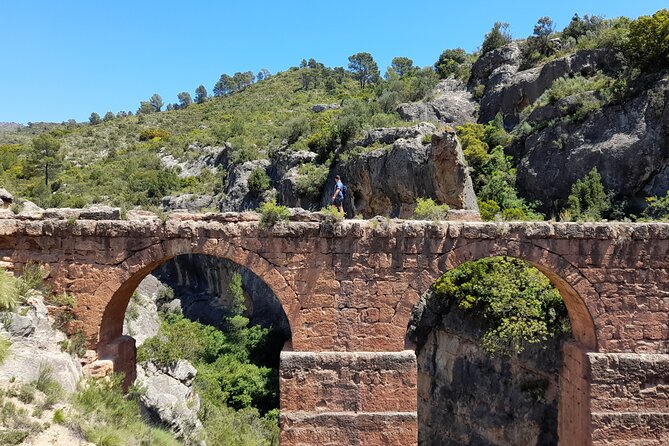
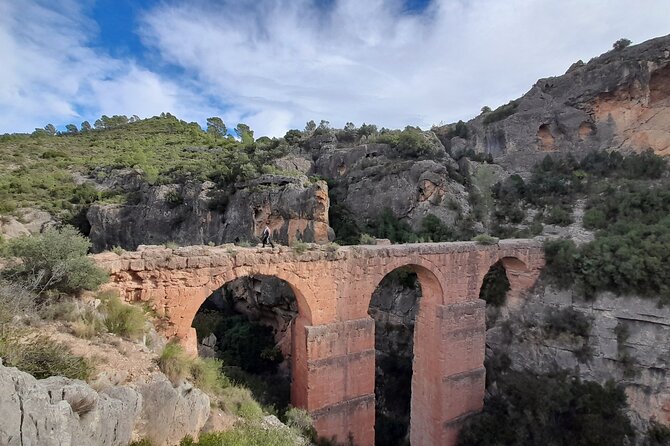
Peña Cortada is not a polished monument with grand entrances and interpretive halls. Its appeal is more direct. You reach the aqueduct by walking through the same rough terrain that surrounds it, then enter tunnels cut through the mountain and cross an ancient bridge above the valley.
That setting gives the site its power. You are not simply looking at Roman construction from a viewing platform. You are moving through it, feeling the change from open trail to cool stone passage and then back into wide mountain views.
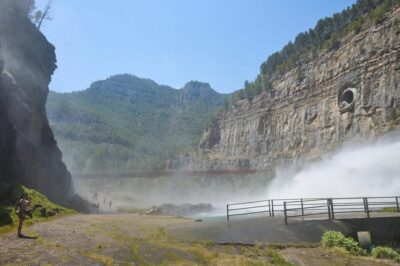
The aqueduct is in the Chelva area of Valencia province, in La Serranía. It was built more than 2,000 years ago, and parts of the route remain accessible on foot. The route combines archaeology with the sounds of springs, channels, and the Tuéjar River, also called the Chelva River.
I would choose this day if you want an active change from Valencia’s city streets. If your main goal is a detailed lesson in Roman engineering, you may find the experience light on historical interpretation. Its strength is the physical setting and the chance to walk through the remains.
More hiking day trips from Valencia
- From Valencia: Montanejos Guided Hike with Natural Pools
★ 4.5 · 1,741 reviews - Montanejos Hiking Tour & Thermal Pools from Valencia
★ 4.5 · 111 reviews - From Valencia: Cala del Moraig Hiking & Beach Trip
★ 4.8 · 107 reviews
The 50-minute ride to Calles
The experience begins at 9:30 am at the Serranos Towers in Plaça dels Furs, in Valencia’s Ciutat Vella. From there, private transportation takes you toward Calles, a drive of about 50 minutes.
The air-conditioned vehicle matters, especially if you are carrying hiking gear or prefer not to arrange rural transport yourself. With a maximum of eight people, the outing has a smaller scale than a large coach excursion, although the supplied information does not name the guide.
The first pause is a coffee in a local bar in Calles. That is a useful start to a walking day. You can get your bearings, use the break before the trail, and settle into the slower rhythm of the countryside before the main climb begins.
Lunch is not included, so bring snacks or a picnic. The day lasts roughly five to six hours, and the walking section is substantial. I would pack enough food to avoid depending on a meal stop that is not part of the plan.
The easy opening miles from Calles
The first three kilometers provide a relatively gentle ascent. This is a good feature for anyone who prefers to warm up gradually instead of facing a steep climb as soon as the vehicle stops.
The route then becomes more of a single-track mountain trail as you approach the aqueduct. The ascent is short, but it is steeper than the opening section. You should expect a moderate physical workout, not a casual stroll.
The official fitness requirement is moderate, and that is worth taking seriously. A 14-kilometer circular walk can feel long even when the most difficult climb is brief. Comfortable walking shoes, water, sun protection, and food are sensible choices, although specific equipment requirements are not provided.
The route’s changing pace is part of the appeal. You begin with a manageable path, work through a short uphill section, and then reach the ancient structure as a reward. That progression feels more satisfying than being dropped directly beside the aqueduct.
Walking inside the Peña Cortada aqueduct
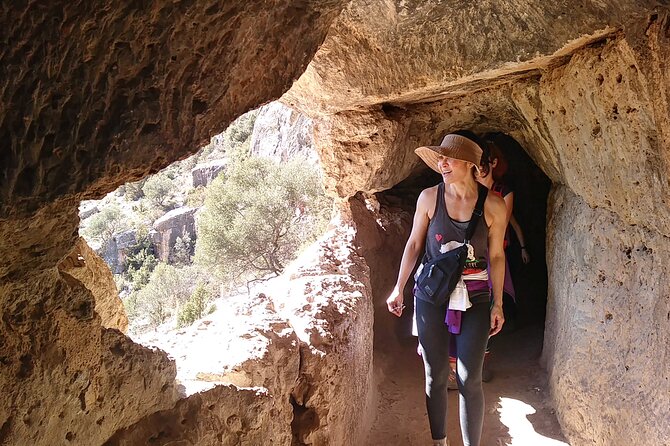
The aqueduct is the day’s central experience. The trail takes you through tunnels carved into the rock, so the Roman remains become a passage rather than a distant object.
The tunnels give the walk a strong sense of place. You are enclosed by stone, then released into open air as the path continues toward the bridge. The change in scale helps you understand how the aqueduct was built into the terrain.
This is also where care matters. The route is not described as fully flat or protected, and one account of the experience noted concern about drop-offs and cliffs. If you are nervous around edges, stay attentive and follow the guide’s directions closely.
I would not choose this outing for a young child who may struggle to watch their footing. The physical demands and exposed sections can make the day stressful if your group is not comfortable on mountain trails.
Same city, a completely different afternoon:
- Valencia: Oceanogràfic Entry Ticket
★ 4.7 · 9,893 reviews - Valencia: 24 or 48-Hour Hop-on Hop-off Bus Ticket
★ 3.9 · 5,611 reviews - Valencia: Palosanto Flamenco Show Ticket
★ 4.8 · 3,876 reviews - Valencia: Catamaran Cruise with Sunset Option
★ 4.0 · 3,566 reviews
Crossing the Roman bridge
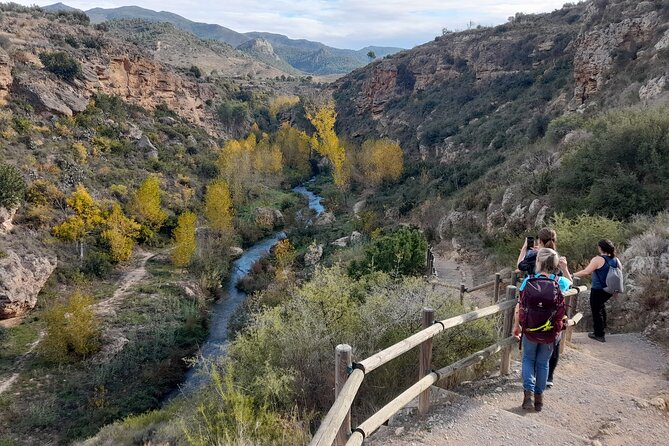
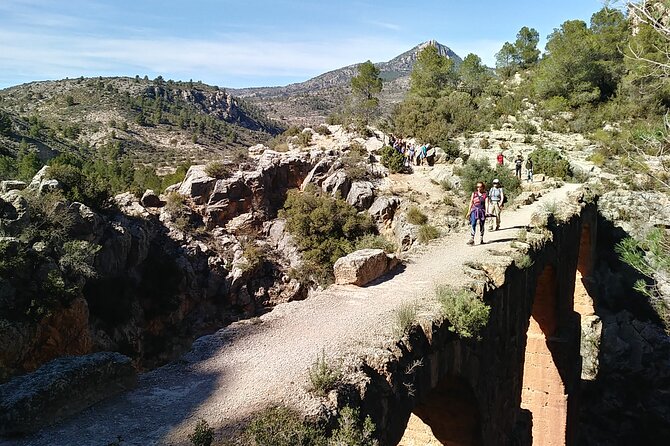
The bridge is the most dramatic section of the aqueduct. After the tunnels, you cross it to reach the other side, with the surrounding hills opening around you.
This is the point where the ancient structure and the setting work together best. The bridge is not only an archaeological feature. It is also a route across the terrain, which makes the construction easier to appreciate.
The crossing may be thrilling for confident walkers, but it is not a detail to dismiss if heights make you uneasy. The supplied experience information specifically notes drop-offs and cliffs as a concern. I would ask about the exact conditions before booking if you have limited mobility, a fear of heights, or doubts about your footing.
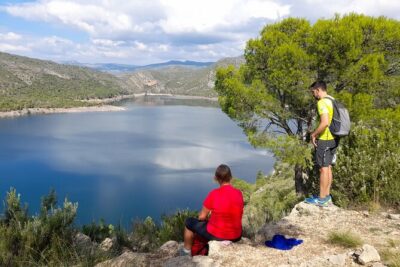
The views are one of the strongest reasons to take this tour. The hike gives you a sense of the area around the aqueduct, rather than reducing it to a quick photo stop. You get time to notice the rock, water, and changing elevations.
The Ruta del Agua and the sound of water
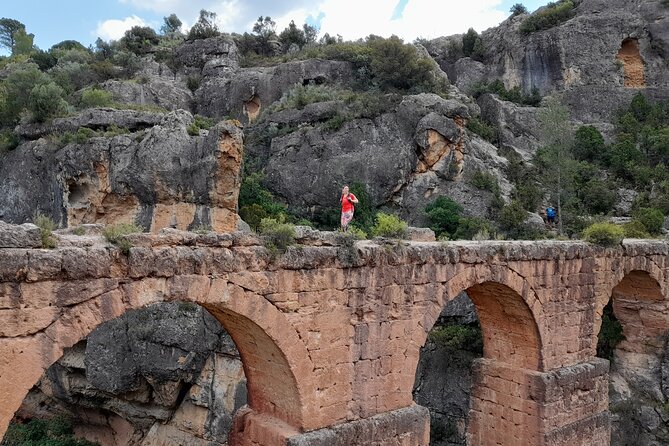
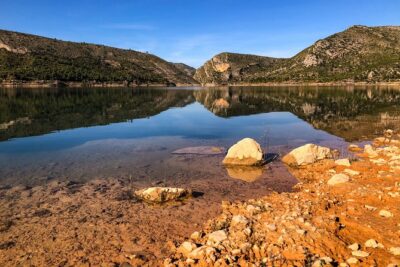
The route connects with Chelva’s Ruta del Agua, or Water Route. It has a circular layout and links natural features with historic remains. Along the way, you may hear water from springs, fountains, channels, and the Tuéjar River.
That constant presence of water changes the mood of the walk. The aqueduct is the headline attraction, but the springs and river help explain why this route has long mattered to the communities in the area.
The water route can be approached from either Chelva or Calles. On this outing, the walk begins in Calles and later includes Chelva. Rest areas are available along the path, though the information does not specify how many or where they are located.
I like this combination because it prevents the day from becoming a single archaeological stop surrounded by travel time. You get Roman construction, rural scenery, flowing water, and a historic town in one outing.
Still, keep your expectations realistic. The route information suggests about two hours for the water route itself, while the full walk is around 14 kilometers. The total day includes more than a short scenic path, so allow for steady walking and breaks.
Chelva’s old neighborhoods
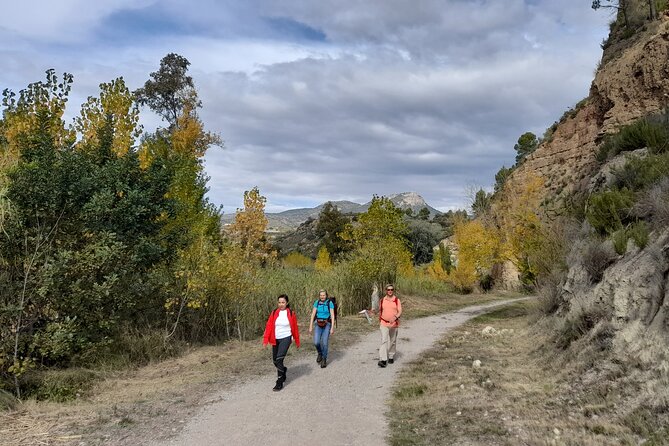
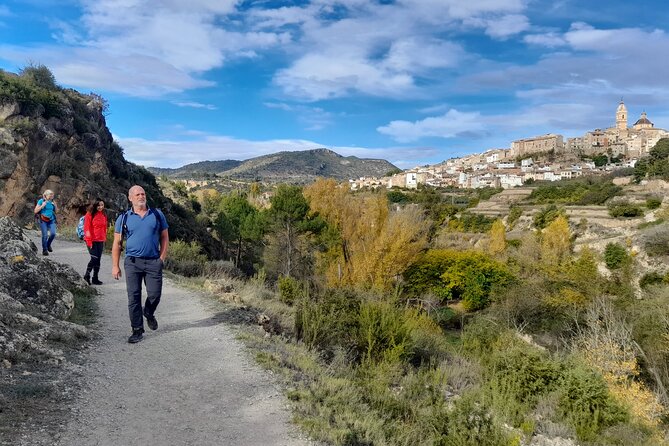
Chelva adds a human layer after the mountain walk. Its name is linked to the Latin word silva, meaning forest, with later Arabic influence shaping the pronunciation. The town retains traces of the communities that lived there over time.
The historic center includes Moorish, Jewish, Christian, and Arabic features. You can take a slower walk through the streets and notice how different traditions shaped the town’s layout and buildings.
This portion is less physically intense than the trail and gives the day a useful change of pace. After tunnels, hills, and the bridge, the town offers time to look upward, study old construction, and move at a gentler speed.
I would not expect a full museum-style history tour. The supplied feedback is clear that the emphasis is on hiking. If you want detailed dates, architectural analysis, or a long lecture about the aqueduct, ask the guide questions as you go and recognize that the walking experience comes first.
How much history will you get?
The answer is: some, but not a great deal of formal explanation. The route itself teaches you through physical contact with the aqueduct. You see how the tunnels cut through stone and how the bridge carried the structure across difficult ground.
That is valuable, but it is different from an in-depth historical tour. One person rated the experience three out of five because the hiking took priority over history. The aqueduct and views were appreciated, but the amount of information did not match the expectation of a history-focused outing.
I would book this if you want context woven into an active day. I would choose another experience if you want a specialist archaeological presentation. The 4.8 rating from 10 reviews and 90 percent recommendation indicate strong overall satisfaction, but the lower rating highlights the main mismatch to avoid.
Physical difficulty and safety
The tour requires a moderate fitness level. The route covers 14 kilometers, begins with three easy kilometers, and then includes a short but steeper ascent before reaching the aqueduct.
The main challenge is not only distance. Uneven single-track paths, elevation, tunnels, and exposed areas can make the route feel harder than the raw kilometer count suggests. The experience details do not provide a formal accessibility rating or trail surface description, so you should not assume the route suits wheelchairs, strollers, or anyone who needs a smooth path.
Service animals are allowed. Beyond that, the available information does not specify rules for pets, children, or hiking equipment.
I would wear sturdy shoes and carry water in a hands-free pack. Bring food, too. Since lunch is excluded, a picnic is the simplest plan. The exact amount of water needed is not stated, so plan for a full walking day rather than relying on an included refreshment stop.
What the $1,245 price means
At $1,245, this is a costly outing. The value depends heavily on how many people share the booking and how much you value private transportation and a small group.
The price includes an air-conditioned vehicle and private transportation. Pickup is offered from the Serranos Towers, and the group maximum is eight people. Those features can save you the work of reaching a rural trailhead and arranging your own return.
The price does not include lunch. Admission to the listed stops is free, so you are mainly paying for transport, organization, and the guided outdoor experience rather than entrance tickets.
I would compare the price with your group size before booking. For a private party that wants a full day outside Valencia, door-to-trail transport and a small group may make the cost easier to justify. For one or two people, the price is harder to defend unless private service is especially important to you.
Who should book this hike?
I would recommend it to active visitors who want something beyond Valencia’s central sights. It fits people who enjoy walking, ancient structures in natural settings, small towns, and a day that combines scenery with culture.
It is especially suitable if you like experiences that feel hands-on. Walking through a rock tunnel and crossing an old bridge gives you a stronger connection to the site than a roadside viewing stop.
I would be cautious if your priority is a deep historical explanation. I would also think twice if you dislike heights, have trouble with uneven paths, or are not ready for 14 kilometers of walking.
Families should judge carefully. The information does not prohibit children, but the exposed sections and drop-offs could be a concern for a child who is not careful on mountain trails.
Booking, cancellation, and weather
You can cancel for a full refund up to 24 hours before the 9:30 am start time. Cancellations made less than 24 hours in advance are not refunded, and changes inside that period are not accepted.
The experience requires good weather. If poor conditions cause cancellation, you will be offered another date or a full refund. That policy is sensible for a route involving rock tunnels, a bridge, and exposed trail sections.
The booking confirmation arrives at the time of booking, and the ticket is mobile. Pickup is offered, with the listed meeting point at the Serranos Towers.
Should you book Peña Cortada?
Book this tour if you want an active day in the Valencian countryside, with the memorable bonus of walking through a 2,000-year-old aqueduct and crossing its Roman bridge. The small group, private transportation, Chelva visit, and water route make the day broader than a single monument stop.
Skip it if you want a relaxed sightseeing excursion or a detailed archaeology lesson. The route is genuinely physical, lunch is your responsibility, and exposed sections may unsettle anyone who is not comfortable with heights.
My practical verdict is simple: choose it for the hike and the setting, not for a lecture. If that sounds like your kind of day, Peña Cortada offers an unusual and worthwhile break from Valencia.
FAQ
Where does the tour start?
The meeting point is the Serranos Towers at Plaça dels Furs, in Valencia’s Ciutat Vella.
What time does the tour begin?
The start time is 9:30 am.
How long does the experience last?
The experience lasts approximately five to six hours.
How far is the hike?
The circular route covers about 14 kilometers.
Is transportation included?
Yes. The tour includes private transportation in an air-conditioned vehicle.
What is the main attraction?
The main attraction is the Roman Peña Cortada aqueduct, where you walk through tunnels carved into rock and cross an impressive bridge.
Is lunch included?
No. You should bring snacks or a picnic lunch.
How physically demanding is the route?
A moderate level of physical fitness is required. The first three kilometers are a gentle ascent, followed by a shorter, steeper section near the aqueduct.
Can I cancel for a full refund?
Yes. You can cancel at least 24 hours before the experience for a full refund. Cancellations within 24 hours are not refunded.
Just added to the Valencia listings
- Visit the most beautiful village in Valencia: Chulilla★ 5.0 · 14 reviews
- Walking Tour through Valencia’s Historic Centre★ 5.0 · 19 reviews
- Windsurf class on Valencia beach★ 4.3 · 4 reviews
- Valencia: World of Illusions Museum Entrance Ticket★ 4.0 · 22 reviews
- Valencia: Guided Mountaineering Experience★ 3.7 · 4 reviews
- Valencia: Gourmet Food & Wine Tour★ 4.2 · 6 reviews
- VALENCIA ESSENZIALE + SITI PATRIMONIO UMANITÀ (ITALIANO)★ 4.7 · 3 reviews
- Valencia: Wine Gogh Glow Academy Paint and Sip Classes★ 4.2 · 18 reviews
Valencia Hiking Day Trips, compared.
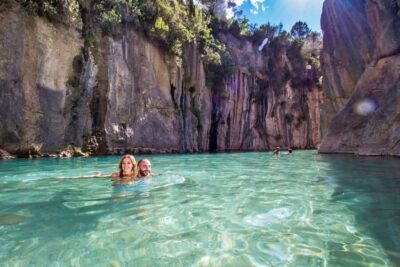
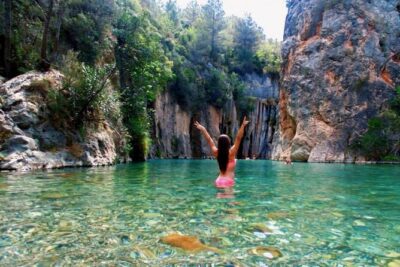
Montanejos Hiking Tour & Thermal Pools from Valencia
Read our review →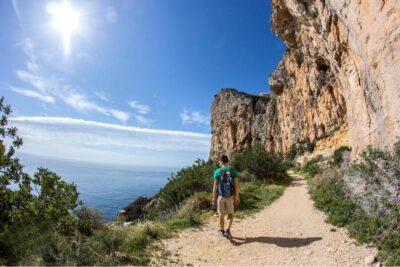
Hike Hanging Bridges and Canyon Túria – Chulilla – OFFICIAL GUIDE
Read our review →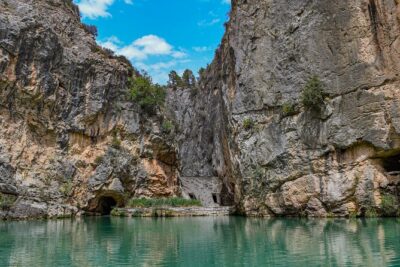
Chulilla Hike to the Hanging Bridges from Valencia
Read our review →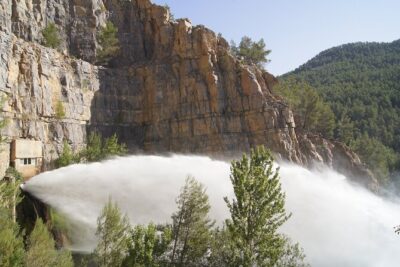
Mountain Hike & Thermal Springs – private full day tour
Read our review →Browse the lists this tour appears in