
Reviewed · WORKSHOPS
Make Valencian ‘Pizza’ in Ruzafa
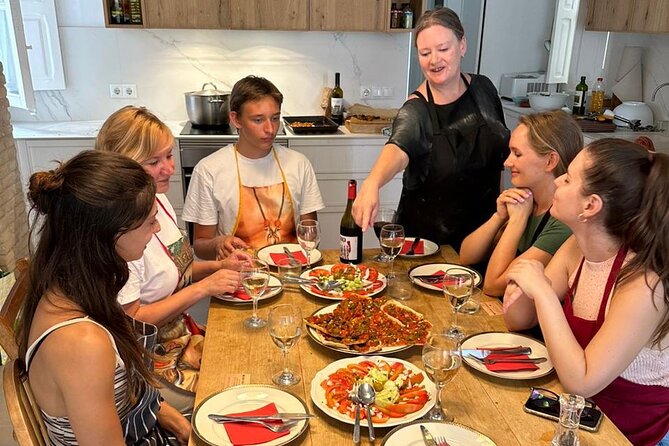
Valencian coca is the star here: a crisp, naturally vegan local specialty made with beer dough and seasonal vegetables. You’ll cook in Ruzafa with chef Morven Lindsay, prepare a full meal, and sit down to eat it together rather than simply watching a demonstration.
I like the market focus, which connects the dish to Valencia’s produce and everyday food culture. I also like the small maximum of six people, giving the class a more personal feel. The main consideration is the price, $72.09, which is fair for a three-hour meal and cooking lesson, but high if you only want a quick snack or a standard restaurant lunch.
Key points to know before booking
- Valencian coca replaces ordinary pizza: You’ll make a local, naturally vegan version with beer dough and seasonal vegetables.
- The food begins at the market: Ingredients are chosen from seasonal produce available in Valencia.
- Chef Morven Lindsay hosts the class: The meal is prepared in a home-style setting with time to discuss food and drink.
- The menu is a complete lunch: Expect vermouth with olives, coca, salad, fresh fruit, and local wine or beer.
- The group is limited to six: This suits people who prefer conversation and hands-on cooking over a large class.
- You finish where you start: Meet on Carrer de Buenos Aires in Ruzafa, and plan on about three hours.
Why Valencian coca makes a better cooking lesson than ordinary pizza
Most visitors know pizza as a round, yeast-based dish with a familiar set of toppings. Valencian coca offers something more tied to the region. Its base uses beer dough, and the topping changes with the vegetables available at the market.
That seasonal approach is the heart of the class. You are not simply following a fixed recipe with ingredients shipped in from elsewhere. You get a practical look at how Valencian cooks use what is fresh, affordable, and close at hand.
The coca is naturally vegan, which makes the main dish useful for anyone avoiding animal products. The rest of the meal is also built around vegetables, salad, and fresh fruit. If you are cooking for a mixed group, the menu is less complicated than a class centered on meat, fish, or dairy.
I especially like that the recipe is simple enough to repeat at home. The class focuses on dough, seasonal toppings, salad preparation, and fruit presentation rather than restaurant tricks that are hard to reproduce in an ordinary kitchen.
More hands-on workshops in Valencia
- Paella Cooking Class, Wine Tasting & Central Market in Valencia
★ 5.0 · 1,150 reviews - Valencian paella cooking class, tapas and visit to Ruzafa market.
★ 5.0 · 828 reviews - Valencia: Paella Cooking Class with Central Market Tour
★ 5.0 · 721 reviews
Starting in Ruzafa with ingredients from the market
The meeting point is on Carrer de Buenos Aires, in Valencia’s L’Eixample district. The activity stays in the Ruzafa area, a useful location if you are already exploring central Valencia and want to place a cooking class into a sightseeing day.
The food begins with the ingredients. You will choose produce from the market, with attention to what is fresh at that time of year. This gives the class a useful local angle: you learn not just how to make coca, but how to think about the vegetables that go on it.
A market visit can also help you understand Valencia’s food culture in a direct way. You can ask about seasonal produce, local places to eat, and the difference between cooking with ingredients at their peak and relying on a fixed recipe. The available information does not promise a separate guided market tour, so think of the market element as part of the cooking preparation rather than a long sightseeing stop.
That distinction matters. If you want a full food tour through several markets and restaurants, this is not that. If you want to see how a meal comes together from ingredients selected locally, the market step adds real value.
Preparing vermouth and the Valencian aperitif
After washing hands and putting on an apron, you begin with a vermouth aperitif served with olives. Vermouth is a familiar part of Spanish social life, and starting with a drink gives the class an easy pace before the main cooking begins.
This is not described as a formal cocktail lesson, so you should not book it expecting a detailed bartending workshop. Instead, the vermouth is part of the meal and the conversation. It gives you a chance to taste a traditional aperitif while the dough and vegetables are being prepared.
The social side is important here. Cooking classes can feel rushed when every minute is built around instructions. This one leaves room to talk about Valencia’s produce, food traditions, and places to eat and drink. If you enjoy asking questions while you work, that relaxed format should suit you.
The package includes the food and a local drink with the meal, but soda is not included unless you ask for it specifically. Keep that in mind if you do not drink alcohol. The listed menu includes vermouth, local beer, or wine, so anyone booking for a non-drinking group should clarify the available alternative before the start.
Mixing beer dough and building the coca
The main practical lesson is the coca itself. You will work with a beer-based dough and prepare a crisp base for seasonal vegetables. The result is closer to a thin Valencian flatbread than to the oversized, heavily topped pizza often sold around the world.
I like this part because the technique has a clear use after the class. You can adapt the topping to whatever vegetables you find at home, while the basic dough gives you a repeatable starting point. The recipe is also naturally vegan, so it can become a useful option for plant-based meals.
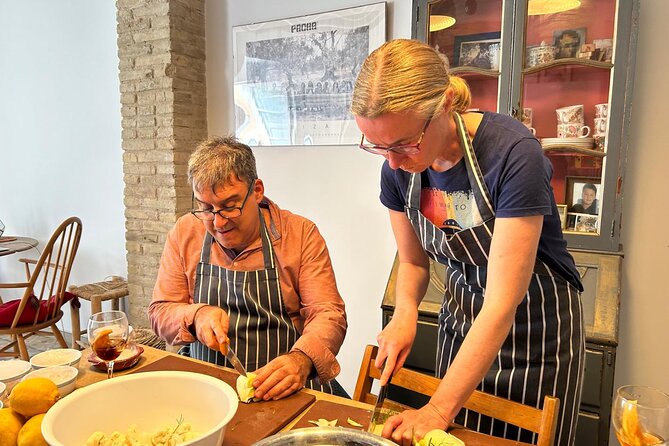
The class is not just a demonstration. You wash your hands, put on an apron, prepare the food, and take part in the cooking. The exact division of tasks is not specified, so the amount of hands-on work may depend on the group and the pace of the class. With a maximum of six people, though, you should have a better chance to participate than in a large cooking school.
The coca goes into the oven while the rest of the meal comes together. That timing keeps the class moving without making the meal feel hurried. You are preparing several parts of lunch at once, learning how a simple home meal can be organized around one dish that needs baking.
Same city, a completely different afternoon:
- Valencia: Oceanogràfic Entry Ticket
★ 4.7 · 9,893 reviews - Valencia: 24 or 48-Hour Hop-on Hop-off Bus Ticket
★ 3.9 · 5,611 reviews - Valencia: Palosanto Flamenco Show Ticket
★ 4.8 · 3,876 reviews - Valencia: Catamaran Cruise with Sunset Option
★ 4.0 · 3,566 reviews
A seasonal salad and fruit dessert round out lunch
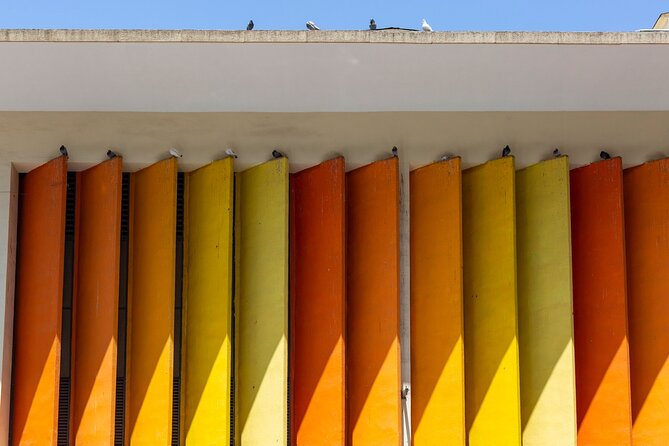
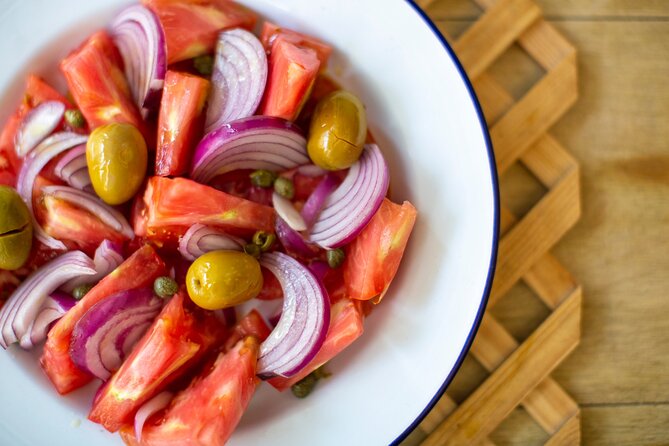
While the coca bakes, you prepare a seasonal salad. It is described as market-fresh, with crunchy garnishes and a fresh dressing. This may sound simple, but salad is often where good produce matters most. The point is not a complicated sauce. It is using fresh ingredients and getting the balance right.
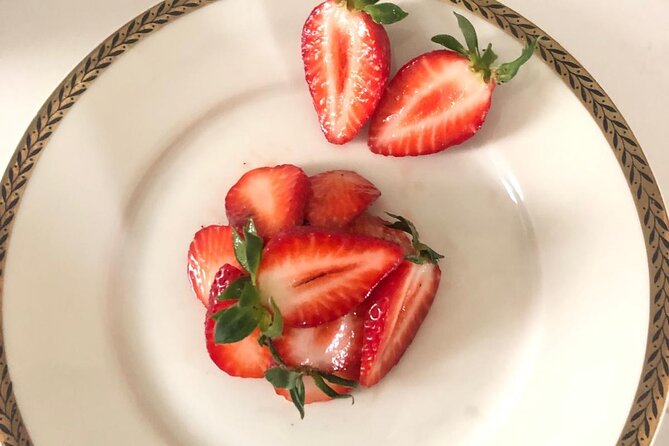
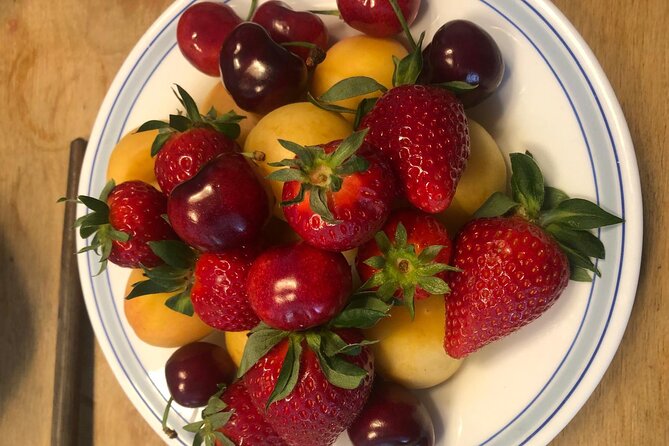
The dessert is fresh fruit selected from the market and served in a generous style. This is a modest ending, not a pastry class or a long dessert demonstration. That simplicity fits the menu, especially after a bread-based main dish and an aperitif.
The full meal has a sensible shape:
- Vermouth and olives to begin
- Valencian coca with seasonal vegetables
- Fresh salad with crunchy garnishes
- Seasonal fruit for dessert
- Local beer or wine with the meal
This is a healthy seasonal lunch rather than a feast built around rich sauces and heavy portions. If you want a dessert with several baked components, you may find the fruit course too plain. If you appreciate fresh produce and a meal you could prepare at home, it makes sense.
Sitting down to eat in a small group
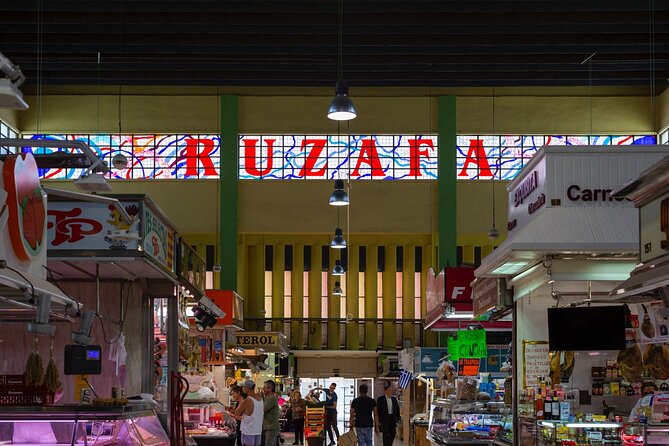
Once the cooking is done, everyone sits around the table and eats the meal prepared during the class. That shared table is more than a practical ending. It turns the lesson into a social meal, with time to discuss what you made and compare ideas with the other people in the group.
The group limit of six is one of the strongest details in the offer. A small class is usually easier for asking questions, following the cooking, and speaking with the host. It also helps the meal feel closer to being invited into a local kitchen than attending a scheduled demonstration.
The setting is described as a beautiful, distinctive home-style environment, and chef Morven Lindsay hosts the session personally. One especially personal touch is the sense of being welcomed into her home while sharing cocktails or sorbets as part of the experience. The exact use of those items can vary, since the listed menu centers on vermouth, coca, salad, and fruit, but the overall tone is clearly informal and food-focused.
The class also creates room for conversation beyond the recipe. You can talk about Valencian cuisine, local produce, places to eat and drink, and the history of food in the region. That is useful if you want context without signing up for a separate lecture.
What the high rating suggests about the experience
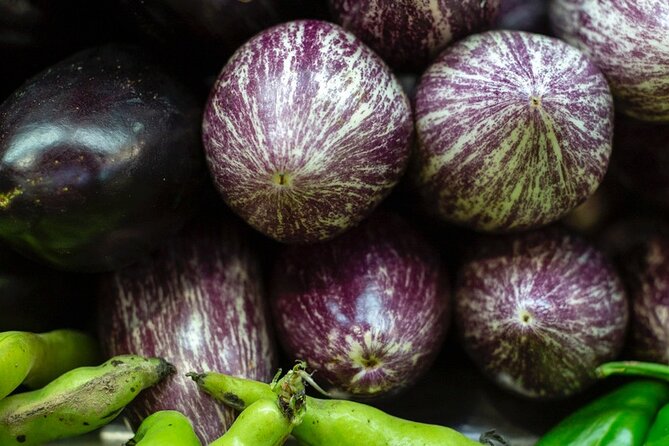
The available feedback is uniformly positive, with a five-star rating from 17 reviews and a 100 percent recommendation rate. The strongest praise focuses on the personal welcome, the quality of the ingredients, and the chance to return to a traditional practice that is disappearing in some places.
One detailed account describes meeting Morven at the Ruzafa market to buy the ingredients needed for coca. It also highlights the close contact with market sellers and the food advice received there. That suggests the experience is at its best when you enjoy the full process, from choosing the ingredients to eating the finished dish.
The same account praises the straightforward recipe and the quality of the food, along with an extra vegan dessert to take home for family. That additional dessert is not part of the stated sample menu, so do not book expecting a take-home item. It does, however, point to a flexible, generous style of hosting.
The important lesson is that this is not aimed at people who want a polished cooking-school production. Its appeal comes from the personal setting, local ingredients, and shared meal. You should be comfortable with a warm, conversational format and some variation in the day’s produce.
Is $72.09 a good value?
At $72.09 per person, the experience costs more than buying coca and a drink at a casual restaurant. That comparison is fair, but incomplete. You are paying for about three hours, the ingredients, the instruction, the market-focused preparation, the meal, the drinks, and a small-group setting.
The price makes the most sense if you want three things at once: a cooking lesson, a substantial lunch, and a personal introduction to Valencian food. If you only need lunch, it is not the economical choice. Valencia offers less expensive ways to eat.
The small group improves the value. A class limited to six people gives you more opportunity to take part and ask questions. The cost also covers a full menu rather than one recipe alone, so you leave with ideas for dough, vegetable toppings, salad, and fruit.
You should also note what is not included. Soda is not part of the package unless you request it, and the listed drinks are vermouth, local beer, or wine. If you prefer nonalcoholic drinks, ask before booking so you know what can be arranged.
Timing, meeting point, and practical planning
The class lasts about three hours and ends back at the meeting point. That makes it easy to fit into a day of sightseeing, especially if you schedule it around lunch and leave the evening open.
The activity begins on Carrer de Buenos Aires, in L’Eixample, 46006 Valencia. It is near public transportation, but the supplied details do not specify a particular station, route, or walking time. Check the exact address before setting out and allow enough time to arrive ready for the start.
A mobile ticket is accepted, and confirmation is provided at booking. Service animals are allowed. The maximum group size is six people.
Free cancellation is available up to 24 hours before the start time for a full refund. Changes or cancellations made less than 24 hours before the start are not accepted for a refund, with cut-off times based on Valencia’s local time. This is worth noting because cooking classes buy fresh ingredients in advance.
Who will enjoy this Ruzafa cooking class most
I would recommend this experience to you if you like food with a clear local connection and prefer doing something active during a city break. It works well for couples, friends, solo participants, and small family groups who enjoy sitting down with other people after cooking.
It is also a good match for anyone interested in vegan food. The main coca is naturally vegan, and the menu leans heavily on vegetables, salad, and fruit. The experience may be especially useful if you want practical recipes rather than a long list of restaurant recommendations.
Families can consider it, but the data does not give a minimum age or specific child policy. Ask before booking if you are bringing children. The three-hour length and hands-on cooking may suit older children better than very young ones.
I would be less likely to recommend it if you dislike shared meals, do not drink alcohol and cannot confirm a suitable alternative, or want a formal culinary course with precise technical instruction. The class is personal and relaxed, which is part of its appeal, but it may not match someone seeking professional-level training.
Should you book Make Valencian Pizza in Ruzafa?
Book it if you want to understand Valencia through its food, not just eat another meal in the city. The combination of market ingredients, beer dough, seasonal vegetables, vermouth, and a shared table gives the experience a clear sense of place.
The best reasons to choose it are the six-person limit, the naturally vegan coca, and the chance to learn a recipe you can use at home. The main reason to hesitate is the $72.09 price, especially if your priority is simply finding an inexpensive lunch.
For a food-focused afternoon in Ruzafa, I think the value is sound. You get a meal, a lesson, and a personal connection to Valencian cooking in one three-hour visit. Just confirm drink preferences in advance and arrive ready to take part, not merely watch.
FAQ
Where does the cooking experience begin?
It begins on Carrer de Buenos Aires, in L’Eixample, 46006 València, Valencia, Spain. The activity ends back at the same meeting point.
How long does the experience last?
The cooking experience lasts approximately three hours, leaving the rest of your day free.
What food will I prepare?
You will prepare Valencian coca with a beer-based dough and seasonal vegetable toppings, along with a seasonal salad and fresh fruit dessert.
Is the coca vegan?
Yes. The Valencian coca is naturally vegan, and the toppings use seasonal vegetables.
Are drinks included?
The menu includes a vermouth aperitif with olives and local beer or wine with the meal. Soda is not included unless specifically requested.
How many people can join?
The activity has a maximum of six travelers.
Just added to the Valencia listings
- Walking Tour through Valencia’s Historic Centre★ 5.0 · 19 reviews
- Windsurf class on Valencia beach★ 4.3 · 4 reviews
- Visit the most beautiful village in Valencia: Chulilla★ 5.0 · 14 reviews
- Valencia: Guided Mountaineering Experience★ 3.7 · 4 reviews
- Valencia: World of Illusions Museum Entrance Ticket★ 4.0 · 22 reviews
- Valencia: Gourmet Food & Wine Tour★ 4.2 · 6 reviews
- VALENCIA ESSENZIALE + SITI PATRIMONIO UMANITÀ (ITALIANO)★ 4.7 · 3 reviews
- Valencia: Wine Gogh Glow Academy Paint and Sip Classes★ 4.2 · 18 reviews
Workshops, compared.
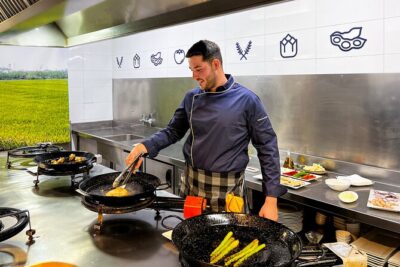
Paella Cooking Class, Wine Tasting & Central Market in Valencia
Read our review →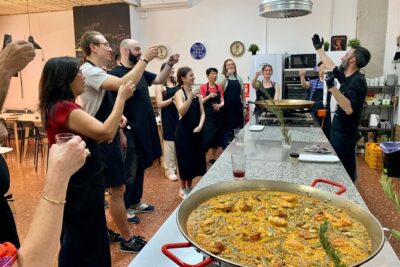
Valencian paella cooking class, tapas and visit to Ruzafa market.
Read our review →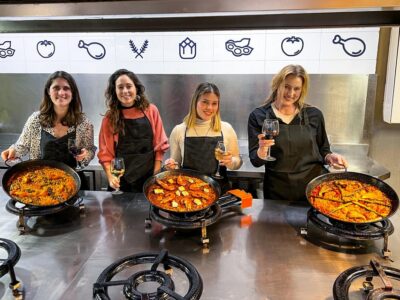
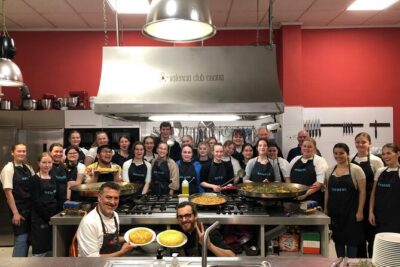
Valencian paella workshop and visit to the Algiros market
Read our review →
Seafood paella cooking class, tapas and visit to Ruzafa market.
Read our review →
Evening Guided Paella Workshop, Tapas, and Drinks
Read our review →
Valencian Paella Cooking Class, Tapas & Sangria – Evening
Read our review →
Browse the lists this tour appears in