
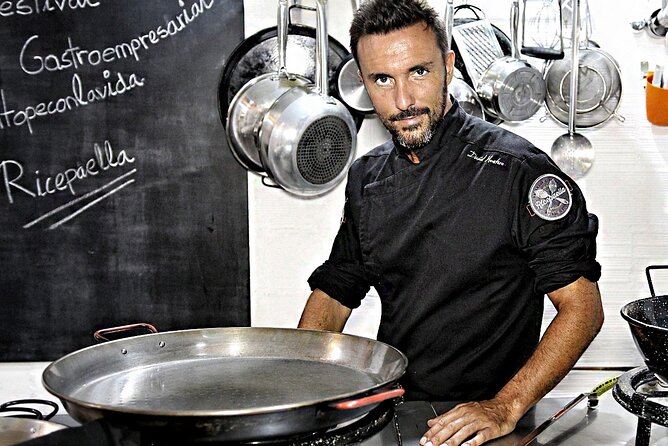
Reviewed · VALENCIA PAELLA EXPERIENCES
Master the Art of Paella in an Authentic Valencian Kitchen
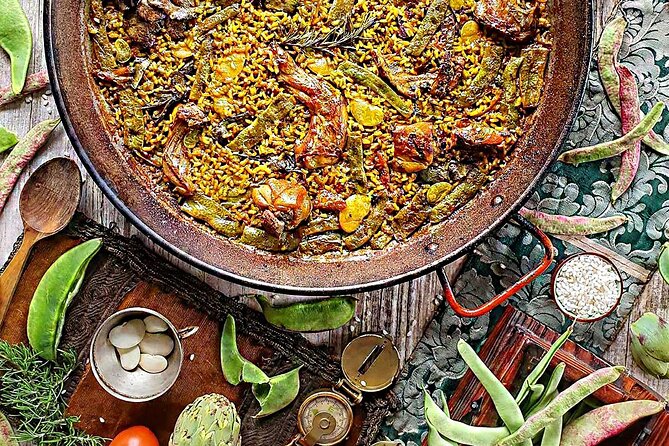
The heart of this Valencia cooking class is the original Paella Valenciana, made with rabbit, chicken, and local vegetables, not the seafood version many visitors know. You work in a real Valencian kitchen, learn how the rice and broth must behave, then sit down to eat what your group cooked.
I like two things right away: the small maximum of eight people keeps the class social and hands-on, and the chef explains the cultural side of the dish instead of handing you a recipe and sending you home. Antonio, Carlos, and Pepe have each been praised for clear teaching, humor, and practical cooking tips.
The main caution is the venue. One evening became uncomfortable because the kitchen had no air conditioning, and the condition of the facilities drew criticism. If you visit Valencia in hot weather, ask about the room when booking.
Key points at a glance
- Cook the original Valencian recipe: Rabbit, chicken, fresh vegetables, and rice form the base of the Paella Valenciana.
- Small class size: Up to eight people means you should get a real task, not just watch a chef work.
- A full meal is included: Expect Spanish starters, paella, sangria, dessert, and other drinks.
- Central Market ingredients: The class uses zero-kilometer produce sourced from Valencia’s famous market.
- English-language instruction: The activity is offered in English, with step-by-step guidance from a local chef.
- A useful take-home skill: Chefs explain how to fix common cooking problems, and some participants received recipes and contact details for later questions.
Why this class is about more than a bowl of rice
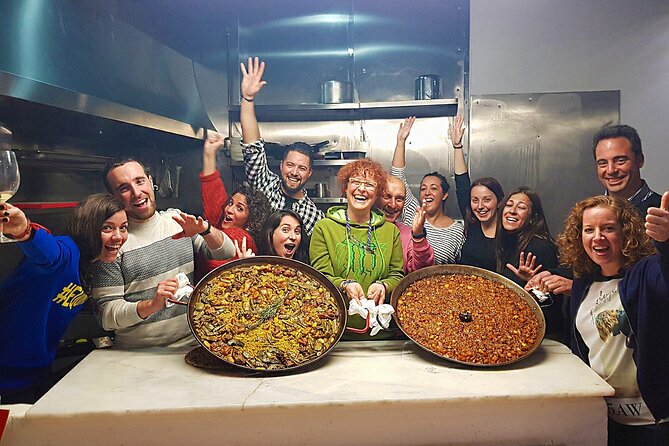
Paella is Valencia’s signature dish, but the word covers many versions. This class focuses on Paella Valenciana, the regional preparation built around rabbit, chicken, vegetables, and rice. That matters because it gives you a clearer sense of what the dish means in its home region.
The seafood paella often served in coastal Spain is delicious, but it is not the original inland Valencian recipe taught here. You learn why the ingredients are chosen, how the rice absorbs flavor, and how small changes in heat or liquid can affect the final result.
I especially like that the lesson treats paella as a process rather than a list of ingredients. The chef discusses rice selection, seasoning, flavor balance, and the problems that can arise during cooking. That is the difference between bringing home a recipe and learning how to make sensible decisions at the stove.
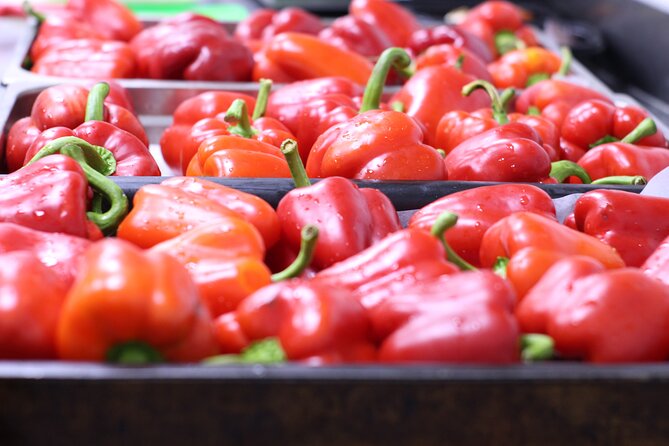
The ingredients are sourced from Valencia’s Central Market, with an emphasis on local, zero-kilometer produce. You are not simply eating a dish that happens to be in Spain. You are working with the sort of regional ingredients that connect the meal to Valencia itself.
More paella classes and tastings in Valencia
- Paella Cooking Class, Wine Tasting & Central Market in Valencia
★ 5.0 · 1,150 reviews - Valencian paella cooking class, tapas and visit to Ruzafa market.
★ 5.0 · 828 reviews - Valencia: Paella Cooking Class with Central Market Tour
★ 5.0 · 721 reviews
Starting in Ciutat Vella
The class begins at Carrer del Músic Peydró, 4, in Ciutat Vella, Valencia’s old city center. This central meeting point is useful if you are already sightseeing on foot, though you should allow time to find the exact entrance before the class begins.
The activity lasts about two hours and ends back at the same meeting point. That compact schedule works well before an evening walk or after a day spent exploring the old center. It is also short enough for children or first-time cooks who may not want a full afternoon in a kitchen, though the hands-on work means you should be ready to participate.
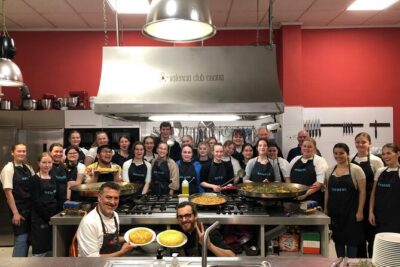
The format is social from the beginning. A group can include couples, friends, or a solo participant, and the small size makes it easier to speak with the chef and the people sharing your table. A group of four can join a few others without the room feeling crowded.
First comes the tapas and sangria
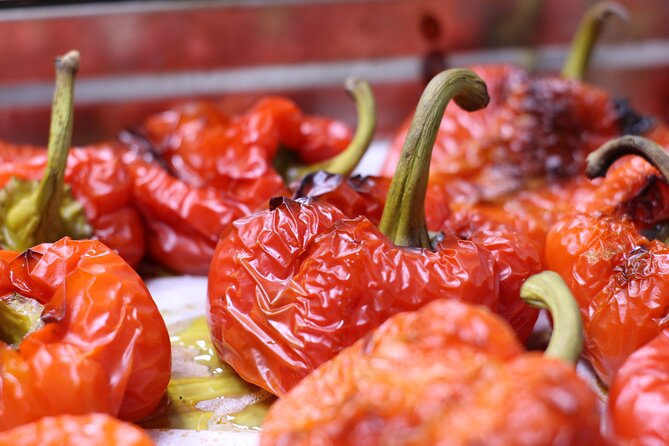
Before the paella is ready, you are served Spanish starters. The listed menu includes Valencian esgarraet, Russian salad, and a ham croquette. Other food served during some classes has included patatas bravas and anchovies.
Esgarraet is a particularly good addition because it is tied to Valencia. It is a local preparation built around roasted pepper and salted fish, and it gives you a taste of the region before the main dish arrives. The Russian salad and croquette are more familiar Spanish bar-food choices, but they fit the relaxed, shared-table style of the class.
You also prepare or receive sangria as the cooking gets underway. The drink helps make the wait sociable, though you should remember that this is a cooking lesson first. The exact number of drinks is not specified, so do not treat the class as an unlimited drinks event simply because sangria is included.
These starters are more than filler while the rice cooks. They give you something to eat during the slower stages of the lesson and help the group settle into conversation. If you enjoy food classes where you can sample several local dishes, this is a useful part of the value.
Rolling up your sleeves for Paella Valenciana
The chef leads the group through the key stages of the dish. You learn how the ingredients are prepared, how the base develops flavor, and how the rice is added and cooked. The exact jobs may vary with the group and kitchen, but the format is designed for participation rather than a demonstration viewed from the sidelines.
The class uses rabbit and chicken, which is important to know before you book. Rabbit is central to the traditional recipe, and one participant found that finding it later for home cooking could be a challenge. If you want to recreate the meal, you may need to plan ahead for that ingredient.
Fresh vegetables from the Central Market provide the other major link to place. The chef explains how each ingredient affects the final balance, rather than presenting the dish as a fixed formula. You learn why rice matters, how cooking time affects texture, and what to do when the result begins to go off course.
That practical problem-solving is one of the strongest parts of the class. A good paella depends on timing, heat, and the amount of liquid absorbed by the rice. The chef explains how to recognize problems and how to respond, which is more useful than memorizing a neat set of steps that only works in perfect conditions.
The class is conducted in English. Several chefs have been praised for clear explanations and a warm manner. Antonio has been singled out for storytelling and for sharing cooking secrets. Carlos has been praised for walking the group through the process and explaining the cultural background. Pepe has also been noted for combining humor with practical instruction. The assigned chef can vary, so you should not book expecting a particular person unless the provider confirms it.
Same city, a completely different afternoon:
- Valencia: Oceanogràfic Entry Ticket
★ 4.7 · 9,893 reviews - Valencia: 24 or 48-Hour Hop-on Hop-off Bus Ticket
★ 3.9 · 5,611 reviews - Valencia: Palosanto Flamenco Show Ticket
★ 4.8 · 3,876 reviews - Valencia: Catamaran Cruise with Sunset Option
★ 4.0 · 3,566 reviews
The wait is part of the lesson
Paella takes time, and the cooking period gives the chef room to explain the dish properly. You are not rushed through a quick recipe before being sent to a dining room. As the pan cooks, the group can ask questions, share the starters, and watch for the changes that tell you how the dish is progressing.
This slower pace is valuable if you want to understand the technique. It is less ideal if you are looking for a fast meal with no instruction. The class is built around the process, so your enjoyment depends on being willing to pay attention and take part.
The setting is described as a dedicated paella restaurant with the equipment needed for the dish. That makes the kitchen practical for teaching, though it may not feel polished or luxurious. One particularly hot evening was made harder by the lack of air conditioning. Valencia can be very warm, so a cool-season booking may be more comfortable if heat bothers you.
There was also a concern about rice stored on the floor near the toilet. That is not a minor point for anyone who cares about food handling and kitchen standards. The positive cooking instruction does not erase the need for the venue to keep supplies and facilities clean. I would keep this concern in mind when deciding how much comfort and polish you expect for the price.
Finally, you eat what you made
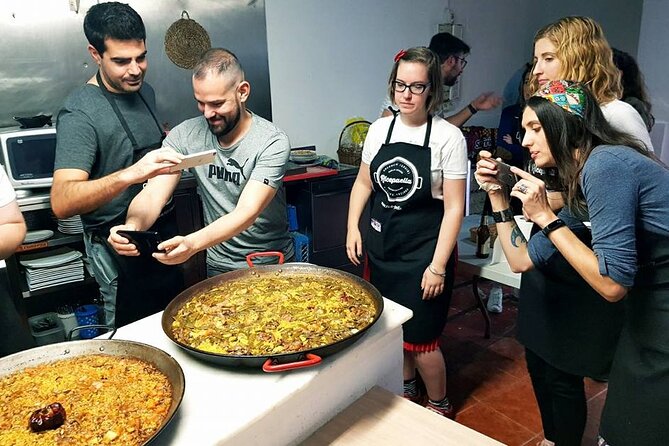
Once the paella is ready, the group sits down to eat it together. This is the payoff, but it also lets you judge the technique you have just practiced. The dish is served with the starters, sangria, and dessert, so you receive a complete meal rather than a small tasting.
Dessert options include traditional cheesecake, chocolate cheesecake, or a Valencian orange. The orange is a fitting local finish, while the cheesecakes give you a sweeter, more familiar choice. The exact selection may depend on the day.
Eating together also completes the social side of the activity. You have divided the work, watched the pan cook, and shared the same meal. That makes the class a good fit for couples, friends, and solo visitors who prefer an easy way to meet people without signing up for a large group event.
The food receives particularly strong praise. The paella, tapas, sangria, and desserts have all been described as delicious, and the chefs are often credited with keeping the group involved. Still, the final meal depends partly on the group. Eight cooks sharing one pan can produce some amusing confusion, but the chef remains responsible for guiding the process and protecting the result.
Is the $118.94 price fair?
At $118.94 per person, this is not a cheap lunch. You are paying for a two-hour class, instruction in English, ingredients, hands-on preparation, starters, paella, sangria, dessert, and a small group capped at eight people.
The value is strongest if you want to learn a skill and eat a full meal. A standard restaurant paella would cost less, but it would not show you how to select rice, balance flavors, manage the cooking, or handle mistakes. A larger cooking class might also cost less, but you would probably have less time at the work surface and fewer chances to ask questions.
I would consider the price reasonable for a special activity during a short Valencia visit, especially if food is one of your main reasons for coming. It is harder to justify if you only want to taste paella or if you are looking for a polished culinary studio. The venue concerns mean part of the price is buying access to the chef and the instruction, not luxury surroundings.
The class is often reserved about 31 days ahead. That lead time suggests you should book early if your dates are fixed, particularly for a small group. Confirmation is provided when you book, and free cancellation is available until 24 hours before the scheduled start time. Cancellations or changes inside that window are not accepted for a refund.
Who will enjoy this most?
I would choose this class if you like to understand what you are eating. You do not need to be an experienced cook. The lesson is designed to explain the process step by step, and the chef helps the group deal with cooking problems as they arise.
It is also a good fit for:
- Couples who want a shared evening activity
- Friends who enjoy food, conversation, and a complete meal
- Solo visitors who want a small social setting
- Cooks who want to try the traditional Valencian version at home
- Anyone curious about the difference between Paella Valenciana and seafood paella
You may want to skip it if you dislike rabbit, prefer seafood paella, or want an elegant air-conditioned dining room. It is also not the best choice if you want to remain a passive observer. The best results come when you chop, stir, ask questions, and accept that a group kitchen may be a little untidy.
What you can realistically take home
The most useful souvenir is the technique. You learn which rice choices matter, how the cooking stages fit together, and how to recognize when the dish needs attention. Some participants received recipes and contact information for follow-up questions, though that should not be treated as a guaranteed printed take-home package for every session.
You can also leave with a better sense of what makes Valencian paella different. The combination of rabbit, chicken, vegetables, and rice reflects a regional tradition rather than a generic Spanish restaurant dish. Recreating it at home may require effort, especially if rabbit is not easy to find where you live.
The class cannot promise that your first home paella will match the one cooked in Valencia. Your pan, heat source, rice, and stock will all affect the result. What you receive is a set of tools and decisions that make a good attempt possible, not a guarantee of instant mastery.
Should you book this Valencia cooking class?
Book it if you want a hands-on introduction to Valencia’s signature dish, a small group, and enough food to make the class function as a meal. The strongest reason to go is the teaching: Antonio, Carlos, Pepe, and the other chefs are presented as engaging instructors who explain both the method and the local meaning of paella.
Go in with realistic expectations about the setting. This is a working paella venue, not a glossy cooking school, and the lack of air conditioning can matter on a hot evening. If clean, polished facilities are more important to you than close contact with the chef, choose carefully.
For food-focused visitors, I think the class earns its place in a Valencia itinerary. You cook the original local style, eat what you helped make, and leave with enough practical advice to try again at home. Just reserve ahead, arrive ready to participate, and ask about the kitchen conditions if you are visiting during the hottest part of the year.
FAQ
Where does the paella class begin?
It begins at Carrer del Músic Peydró, 4, in Ciutat Vella, Valencia, Spain.
Where does the activity end?
The class ends back at the meeting point.
How long does the experience last?
The activity lasts approximately two hours.
Is the class offered in English?
Yes. The experience is offered in English.
How many people can join the class?
The maximum group size is eight people.
What type of paella do you learn to make?
You learn to make traditional Paella Valenciana, using rabbit, chicken, and fresh local vegetables.
Where do the ingredients come from?
The class uses zero-kilometer ingredients sourced from Valencia’s Central Market.
What food is included?
The menu includes typical Spanish starters, Valencian paella, dessert, and drinks. Listed starters include esgarraet, Russian salad, and a ham croquette. Dessert choices include traditional cheesecake, chocolate cheesecake, or Valencian orange.
Is sangria included?
Yes. Sangria is included with the meal.
Can I cancel for a full refund?
Yes, if you cancel at least 24 hours before the experience start time. Cancellations or changes made less than 24 hours before the start are not accepted for a refund.
Just added to the Valencia listings
- Visit the most beautiful village in Valencia: Chulilla★ 5.0 · 14 reviews
- Walking Tour through Valencia’s Historic Centre★ 5.0 · 19 reviews
- Windsurf class on Valencia beach★ 4.3 · 4 reviews
- Valencia: Guided Mountaineering Experience★ 3.7 · 4 reviews
- Valencia: World of Illusions Museum Entrance Ticket★ 4.0 · 22 reviews
- Valencia: Gourmet Food & Wine Tour★ 4.2 · 6 reviews
- VALENCIA ESSENZIALE + SITI PATRIMONIO UMANITÀ (ITALIANO)★ 4.7 · 3 reviews
- Valencia: Wine Gogh Glow Academy Paint and Sip Classes★ 4.2 · 18 reviews
Valencia Paella Experiences, compared.
Paella Cooking Class, Wine Tasting & Central Market in Valencia
Read our review →
Valencian paella cooking class, tapas and visit to Ruzafa market.
Read our review →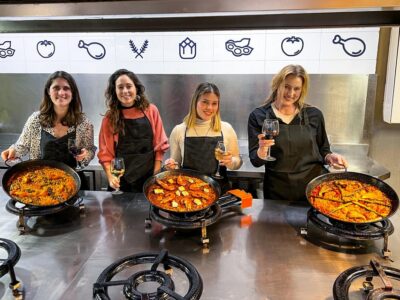
Valencian paella workshop and visit to the Algiros market
Read our review →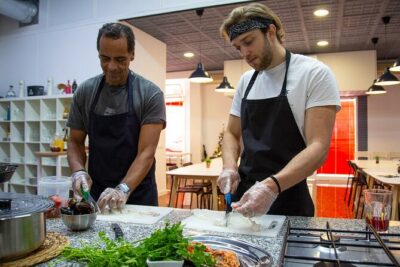
Seafood paella cooking class, tapas and visit to Ruzafa market.
Read our review →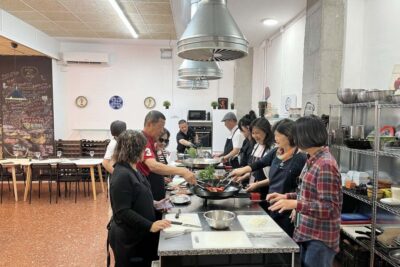
Evening Guided Paella Workshop, Tapas, and Drinks
Read our review →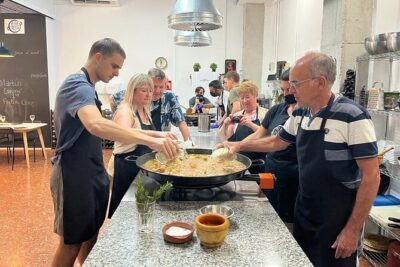
Valencian Paella Cooking Class, Tapas & Sangria – Evening
Read our review →Browse the lists this tour appears in