
Reviewed · HISTORICAL TOURS
Essentials of Valencia and its World Heritage Sites
Valencia’s best introduction may be a two-hour walk from Estació del Nord to Plaza de la Virgen, linking grand civic buildings, food culture, medieval trade, and living traditions. You see the city center without stopping every few minutes to check a map, and the route finishes near the cathedral district, where you can keep exploring on your own.
I like the Silk Exchange visit, since admission is included and the building gives real shape to Valencia’s medieval wealth. I also like the practical local touch: guides such as Sara, María, and Gabor explain the city clearly, answer questions, and may suggest local restaurants and cultural activities. The main drawback is the brisk schedule. Two hours covers the essentials, but it leaves little time for long visits, shopping, or detailed museum stops.
Key points to know before booking
- Three UNESCO connections in one walk: See La Lonja de la Seda, learn about the Water Tribunal, and hear how the Fallas festival earned UNESCO recognition.
- A useful first-day route: The walk links the station, main square, market, Silk Exchange, and cathedral quarter.
- La Lonja admission is included: You enter the civil Gothic trading hall rather than viewing it only from outside.
- Guides make the difference: Sara, María, and Gabor are praised for clear English, humor, local advice, and thoughtful answers.
- Small enough to stay manageable: The group can include up to 25 people, with a multilingual guide possible.
- Good value at $20.85: The price is modest for a guided city walk that includes entry to one major monument.
Why this route works for a first look at Valencia
Valencia can feel spread out when you first arrive. The old center contains grand squares, churches, market halls, government buildings, and medieval monuments, but the best order for seeing them is not always obvious.
This walk solves that problem. You begin at Bailén, beside Estació del Nord, and move through the city center toward Plaza de la Virgen. The route is mostly about orientation and context. You see where the main sights sit in relation to one another, then decide which places deserve a longer return visit.
I would choose this tour early in a Valencia stay. It gives you a working map of the center, along with enough background to make later visits more meaningful. One guide described the tour as a way to understand how to move around the city today while learning about its medieval past. That is the right way to think about it.
The route is not designed as a slow architectural study or a full food tour. You will spend only about 10 minutes at the Central Market and around 30 minutes inside La Lonja. If you want long photography stops or detailed time in each building, plan a separate visit afterward.
More history walks in Valencia
- Valencia Old Town Tour with Wine & Tapas in 11th Century Historic Monument
★ 5.0 · 3,234 reviews - Valencia: Historical Walking Tour
★ 4.6 · 390 reviews - Valencia’s Greatest Food, History & Culture Tour
★ 5.0 · 129 reviews
Estació del Nord: a striking place to begin
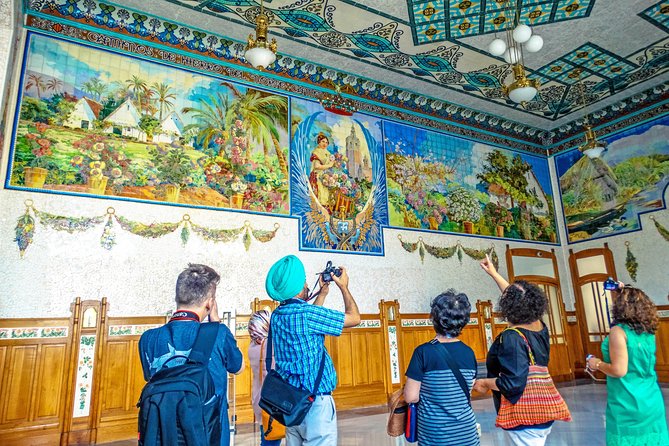
The first stop is Estació del Nord, Valencia’s main railway station, where you spend about 20 minutes. Admission is free, and the station provides an impressive opening to the city.
Your guide explains the building and points out details before you leave the station area. This is a smart starting point because it feels grand without requiring a long visit. It also makes practical sense for anyone arriving by train or staying near the central transport district.
The station is more than a place to meet. It introduces the decorative side of Valencia and sets up the contrast you will see later: modern city life built around older trade routes, public squares, and religious buildings.
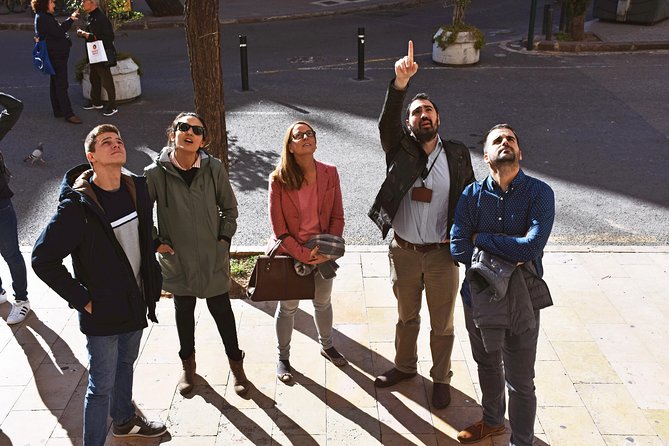
Be ready to look up. The tour’s architectural focus is one of its strengths, and the station is the first chance to notice how much character Valencia puts into public buildings.
Plaza del Ayuntamiento and the Fallas tradition
From the station, the walk continues to Plaza del Ayuntamiento, the broad civic square at the heart of the modern center. You spend about 15 minutes here, with the guide explaining Valencia’s Fallas festival.
Fallas takes place from March 15 to 19. During those days, the city fills with temporary monuments, music, traditional clothing, and the smell of gunpowder. The monuments are built to be seen, judged, and then burned, which makes the festival a striking example of art that exists only briefly.
Fallas joined UNESCO’s Intangible Cultural Heritage list in 2016. This gives the tour one of its most interesting angles. UNESCO recognition here is not about a stone building. It is about a living celebration, the people who make it, and the customs that keep it going.
If you visit outside festival dates, you will not see the full event in action. Still, the explanation helps you understand why Valencia’s public spaces can look so transformed in March. It also gives you useful context before you encounter other parts of the city’s cultural identity.
Valencia City Hall and the center’s civic life
The next stop is Ajuntament de València, the city hall. The visit takes about 20 minutes and normally operates on working days, except during official events or holidays.
This stop adds a civic layer to the route. After the station’s decorative design and the Fallas discussion, City Hall shows how Valencia presents itself as a public, administrative city. Your guide discusses the building and its role in the square rather than simply leading you past it.
Access can vary. Official events, holidays, and certain evening departures affect the visit. Tours in August and September at 6:30 p.m. may not follow the same interior access pattern, so you should treat City Hall as a planned stop rather than a guaranteed full building visit in every time slot.
That small uncertainty is worth keeping in mind when you book. The outside setting remains part of the route, but anyone focused on interiors should confirm the departure details.
Same city, a completely different afternoon:
- Valencia: Oceanogràfic Entry Ticket
★ 4.7 · 9,893 reviews - Valencia: 24 or 48-Hour Hop-on Hop-off Bus Ticket
★ 3.9 · 5,611 reviews - Valencia: Palosanto Flamenco Show Ticket
★ 4.8 · 3,876 reviews - Valencia: Catamaran Cruise with Sunset Option
★ 4.0 · 3,566 reviews
Central Market: food, architecture, and the Mediterranean diet
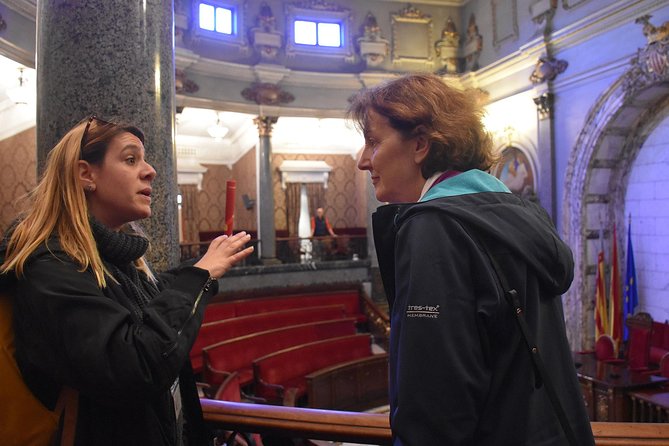
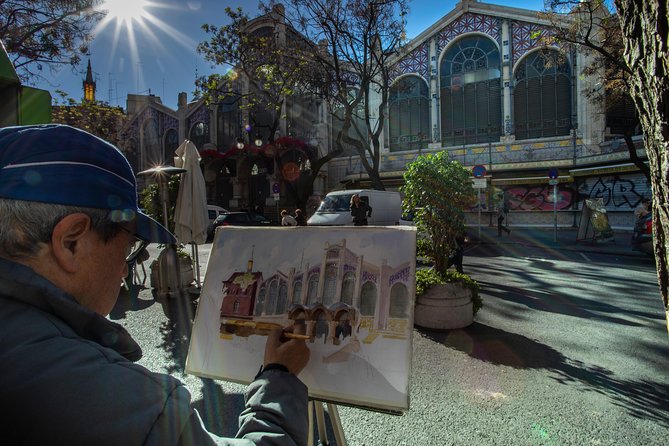
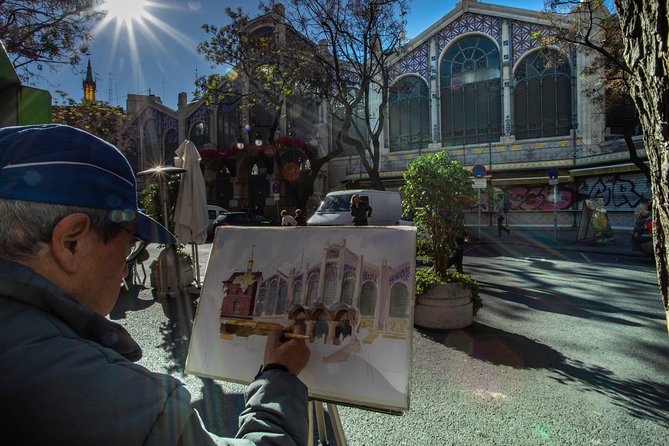
The Central Market receives about 10 minutes. The guide explains the market and connects it with the Mediterranean diet.
This is a short stop, so do not expect time for a full shopping trip or a leisurely meal. Instead, use it to get your bearings and learn why the market matters to daily life in Valencia. The building and its food culture help connect architecture with ordinary routines: buying produce, choosing seafood, and building meals around fresh ingredients.
The market is also a useful place to return after the tour. Once your guide points it out, you can come back when you have more time. Ten minutes is enough for an introduction, not enough for a serious browse.
Evening tours in August and September at 6:30 p.m. do not include entrance to the market. That detail matters if stepping inside is important to you. The guide still explains the market, but the experience will be more limited at those times.
La Lonja de la Seda: the tour’s main interior visit
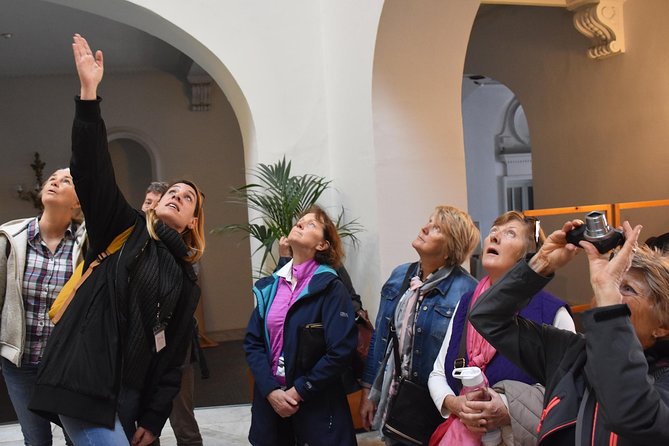
The strongest stop is La Lonja de la Seda, Valencia’s Silk Exchange. You spend about 30 minutes here, and admission is included.
La Lonja was declared a World Heritage Site in 1996. It is a masterpiece of civil Gothic architecture, built for commerce rather than worship. Inside, the Sala de Contratación is the visual centerpiece, with twisting columns, ribbed vaults, and a sense of orderly power.
This is where the tour’s historical story becomes easiest to see. Valencia’s prosperity was tied to trade, and the building reflects the importance of merchants, contracts, and international business. The guide’s explanation helps you read the architecture instead of simply admiring a grand room.
Several people specifically valued being taken inside major buildings rather than viewing them from the street. That is an important benefit here. La Lonja is not a quick photo stop. It is the one place on the route where you get a focused interior visit and enough time to appreciate the structure.
Still, 30 minutes is not an exhaustive visit. If Gothic architecture is a major interest, return later with more time. For most first-time visitors, though, the included entry makes the tour price feel sensible.
Evening tours in August and September at 6:30 p.m. do not include entrance to La Lonja. If the Silk Exchange is your main reason for booking, avoid relying on that evening departure unless you have confirmed the arrangements.
Plaza de la Virgen and the Water Tribunal
The walk ends on Carrer del Micalet, close to Plaza de la Virgen. The final stop takes about 15 minutes and introduces the Tribunal of the Waters, or Water Tribunal.
The tribunal has held its public meeting at the Apostles’ Gate of Valencia Cathedral every Thursday at noon. UNESCO recognized it as Intangible Cultural Heritage in 2008.
This is a fine ending because it shows another kind of heritage. La Lonja represents commercial power in stone. The Water Tribunal represents an ongoing community practice connected with irrigation and water management. The contrast gives the tour more range than a standard old-town walk focused only on buildings.
Your timing matters. The tour explains the tribunal, but the schedule does not say that you will attend its Thursday noon session. If you want to witness the meeting itself, you need to plan your day around Thursday at 12:00 p.m. and check how that fits with the tour departure.
The final location is useful for independent sightseeing. You are near the cathedral area and can continue exploring after the guide says goodbye. Transportation back to your hotel is not included, but the tour’s finish is central.
What the guides add to the experience
The buildings provide the route, but the guide determines how much you take away. Sara receives repeated praise for clear English, good humor, strong command of Valencia’s history, and patient answers. María is noted for a comfortable pace, warm manner, and local restaurant suggestions. Gabor is described as passionate about the city and its past.
The guide may be multilingual, so language arrangements can vary by departure. The available information does not promise one particular guide, which means you should book for the route and format rather than expecting a specific person.
I like that the best guide feedback goes beyond dates and architectural labels. You can ask questions, get tips for later meals, and learn which parts of the center deserve a second look. One guide even sent restaurant recommendations organized by different parts of Valencia. That sort of help can be especially useful at the start of a trip.
The pace also sounds approachable. It is a walking tour, but not described as a race. You should still expect to be on your feet for two hours and moving through city streets, squares, and indoor sites.
Price, group size, and practical value
At $20.85 per person, the tour is priced as an inexpensive introduction rather than a full-day cultural program. The value rests on three things: a professional guide, a carefully arranged route, and included entry to La Lonja.
A group can contain up to 25 people. That is not a private experience, and a larger group can make it harder to hear in a busy square. On the other hand, the maximum is moderate for a city walk, and the tour is short enough that the group size should not dominate the whole experience.
You receive a mobile ticket and confirmation at booking. Children must be accompanied by an adult, and most people can take part. Transportation to and from the meeting and end points is not included.
Free cancellation is available up to 24 hours before the start time for a full refund. Changes or cancellations inside that window are not accepted for a refund, and the operator may offer another date or a full refund if minimum attendance is not reached.
Who should book this Valencia walking tour
I would recommend it to first-time visitors, short-stay visitors, and anyone who wants a clear introduction before exploring alone. It also suits people who enjoy architecture but want the history explained in plain language.
The tour is particularly useful if you want to:
- See the old center without working out the route yourself
- Enter La Lonja with a guide
- Learn what Fallas means beyond the fireworks and street celebrations
- Understand why the Water Tribunal matters
- Get restaurant and sightseeing suggestions from a local guide
- Decide which central sights deserve a longer return visit
I would look elsewhere if you want a food tour with tastings, an in-depth cathedral visit, or a full-day history program. The Central Market stop is brief, and the cathedral area is mainly an exterior and cultural orientation point. This is an essentials tour, not a complete study of every major monument.
Should you book Essentials of Valencia and its World Heritage Sites?
For $20.85, this is a strong opening walk through Valencia’s center. You get the city’s main visual markers, an included visit to La Lonja, and a guide who can connect buildings with Fallas, trade, food, and water traditions.
Book it early in your stay if you want help finding your way and recommendations for the days ahead. Choose a daytime departure if entering the Central Market and Silk Exchange is important, since the listed August and September evening tour does not include those interiors. If you prefer slow photography or long museum visits, use this as a framework, then return to the places that catch your eye.
FAQ
How long does the Valencia World Heritage Sites tour last?
The tour lasts approximately two hours.
What is the price of the tour?
The listed price is $20.85 per person.
Where does the tour begin?
It begins at Bailén, beside Estació del Nord, in Extramurs, Valencia.
Where does the tour finish?
It finishes at Carrer del Micalet, 7, in Valencia’s Ciutat Vella, near Plaza de la Virgen.
Is admission to La Lonja de la Seda included?
Yes. Admission to La Lonja de la Seda is included on the tour.
Does the tour enter the Central Market?
The itinerary includes an explanation of the Central Market. Evening tours in August and September at 6:30 p.m. do not include entrance.
Will the tour visit Valencia City Hall?
The City Hall stop operates on working days, except during official events or holidays. Access can also vary for evening tours in August and September.
Does the tour include transportation?
No. Transportation to and from the meeting point and ending point is not included.
Can I cancel for a full refund?
Yes. You can cancel at least 24 hours before the experience start time for a full refund. Cancellations made less than 24 hours in advance are not refunded.
Just added to the Valencia listings
- Visit the most beautiful village in Valencia: Chulilla★ 5.0 · 14 reviews
- Walking Tour through Valencia’s Historic Centre★ 5.0 · 19 reviews
- Windsurf class on Valencia beach★ 4.3 · 4 reviews
- Valencia: Guided Mountaineering Experience★ 3.7 · 4 reviews
- Valencia: World of Illusions Museum Entrance Ticket★ 4.0 · 22 reviews
- Valencia: Gourmet Food & Wine Tour★ 4.2 · 6 reviews
- VALENCIA ESSENZIALE + SITI PATRIMONIO UMANITÀ (ITALIANO)★ 4.7 · 3 reviews
- Valencia: Wine Gogh Glow Academy Paint and Sip Classes★ 4.2 · 18 reviews
Historical Tours, compared.
Valencia Old Town Tour with Wine & Tapas in 11th Century Historic Monument
Read our review →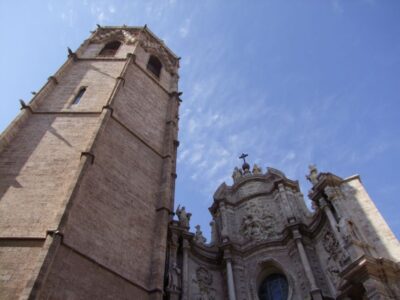

Valencia’s Greatest Food, History & Culture Tour
Read our review →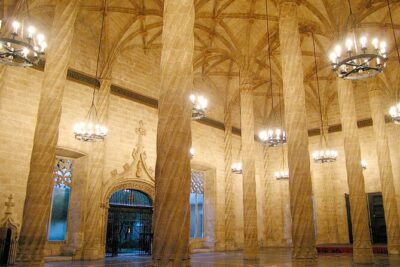
Essential Valencia and World Heritage Sites (English)
Read our review →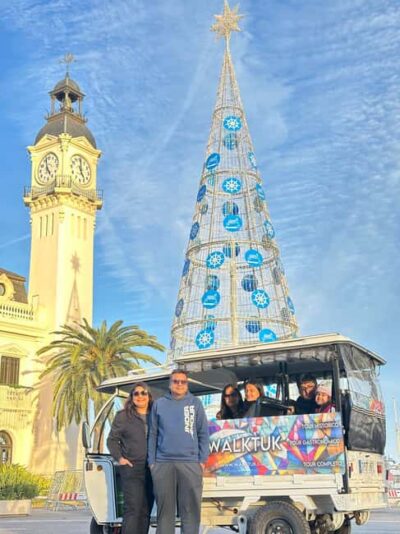
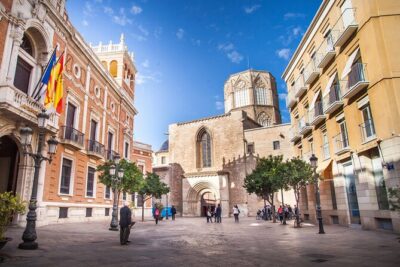

Genuine Valencian tapas tour with a pinch of History
Read our review →Browse the lists this tour appears in